


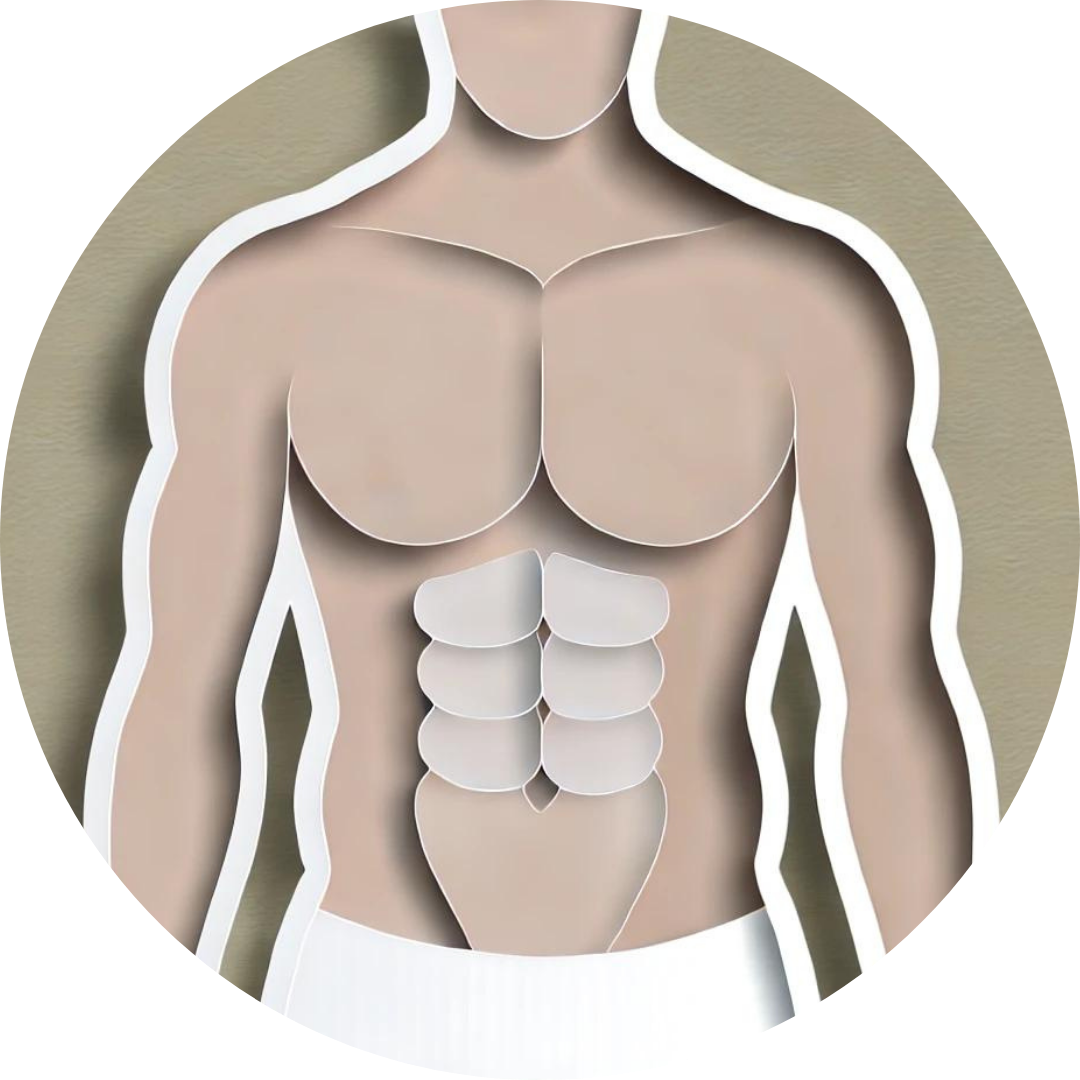
A male body lift in Sydney, also known as a belt lipectomy, is a surgical procedure that may be considered following significant weight loss. It involves removal of excess skin and underlying soft tissue from the lower abdomen, flanks, lower back and buttock region.
All surgical procedures carry risks. A consultation is required to determine suitability.
Men who have experienced major weight reduction, whether following bariatric surgery or sustained lifestyle changes, may develop persistent skin laxity that does not respond to further exercise or weight stabilisation. In some cases, redundant skin may contribute to hygiene difficulties, recurrent skin irritation or physical discomfort.
A body lift after weight loss is not a weight loss procedure. It is generally considered once weight has stabilised and overall health has been optimised.
Meet your Surgeon

Dr Robert Knight
Meet your Surgeon
Dr Robert Knight FRACS:
- Registered Specialist Plastic Surgeon
- AHPRA MED0001198549
Education and Training:
- Attended medical school in South Africa, and trained at the internationally renowned Baragwanath Hospital
- Awarded a Cyanamid Pharmaceutical Scholarship, the Medical Students Council Award and the Graham Wilkinson Medal
- Member of the Royal College of Surgeons of Edinburgh
- Awarded the LGI cardiothoracic prize and presented at several conferences in London, Stockholm and Cologne
Surgical Planning in Male Patients
Although the core surgical technique of belt lipectomy in Sydney is similar across patients, planning differs according to individual anatomy.
Male patients commonly present with:
- Lower abdominal skin redundancy
- Flank and lower back tissue excess
- Circumferential laxity following significant weight loss
Pre-operative assessment includes evaluation of skin quality, fat distribution, abdominal wall integrity, prior surgical history and general medical condition. Clinical photography and measurements may be performed for planning and documentation purposes.
Surgical planning is individualised based on these findings.

What Happens During Surgery
Male body lift surgery is performed under general anaesthesia in an accredited hospital facility.
A circumferential incision is made around the lower torso. Excess skin and tissue are excised, and the remaining tissue is repositioned and secured. Where clinically appropriate, liposuction may be used to address localised fat deposits. An abdominoplasty component may be included if abdominal wall laxity is present.
The procedure duration varies depending on individual factors. Hospital stay is typically several days and depends on recovery progress.
Recovery and Follow-Up
Recovery after belt lipectomy surgery varies between individuals and depends on the extent of surgery and personal healing characteristics.
After surgery:
- Temporary drainage tubes may be placed
- Compression garments are worn to support healing
- Swelling and bruising are common in early recovery
Patients are encouraged to mobilise early under supervision. Heavy lifting and strenuous activity are restricted for several weeks or as advised by the surgeon.
Follow-up appointments are scheduled to monitor wound healing and recovery progression.
Post-operative swelling and tissue healing continue over several months. Individual healing timelines vary.
Risks and Complications
All surgical procedures carry risk.
General risks may include:
- Infection
- Bleeding or haematoma
- Delayed wound healing
- Anaesthetic complications
- Deep vein thrombosis
Procedure-specific risks associated with male body lift in Sydney may include:
- Asymmetry
- Altered sensation
- Prominent or hypertrophic scarring
- Umbilical malposition
- Contour irregularities
Serious complications are uncommon but can occur. Individual risk varies according to medical history, body mass index, smoking status and overall health. These factors are discussed during consultation.
Scarring
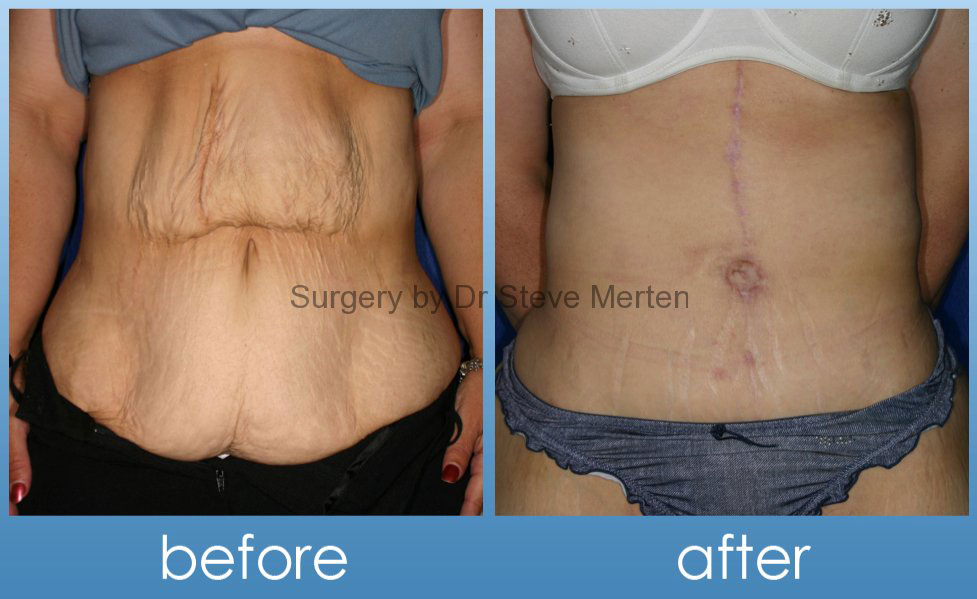
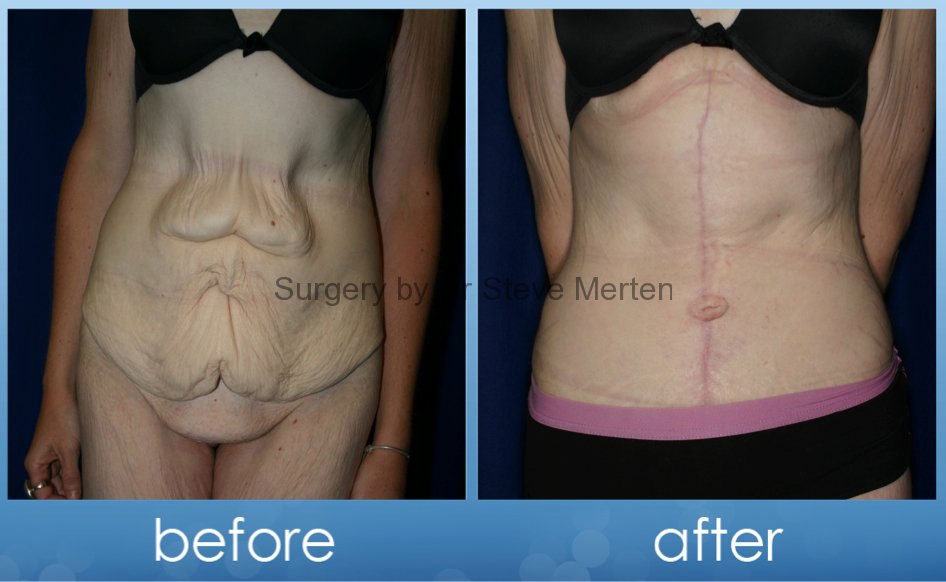
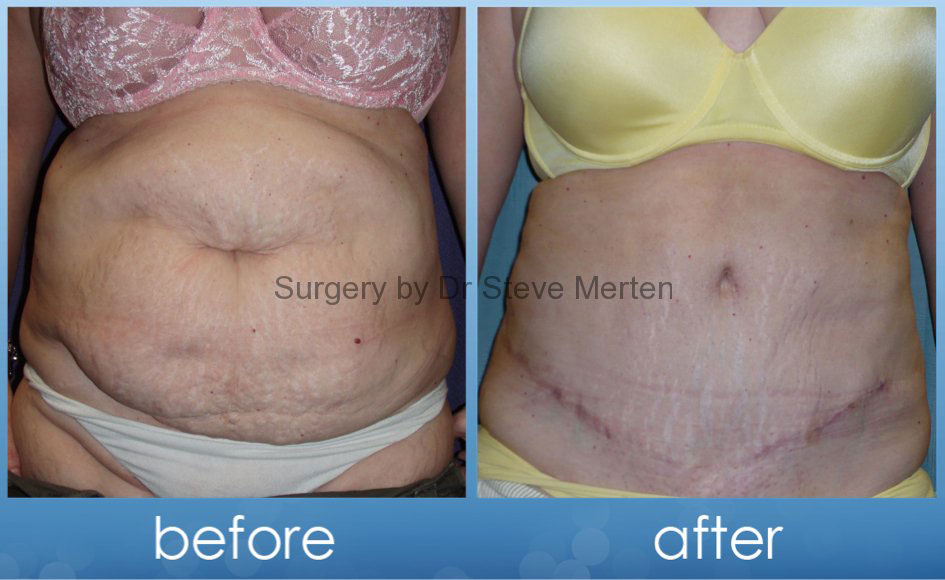
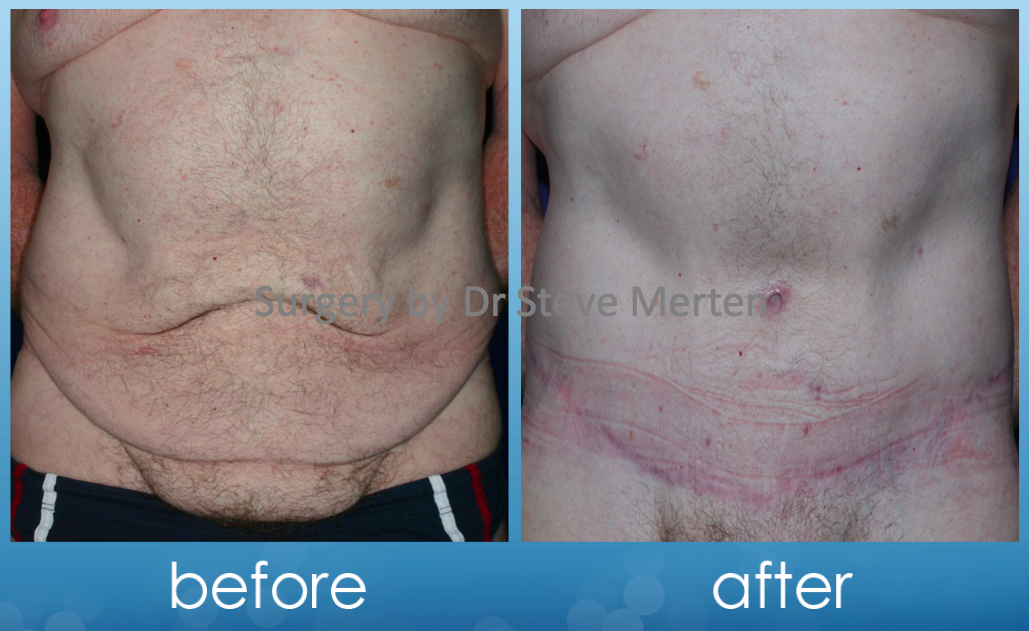
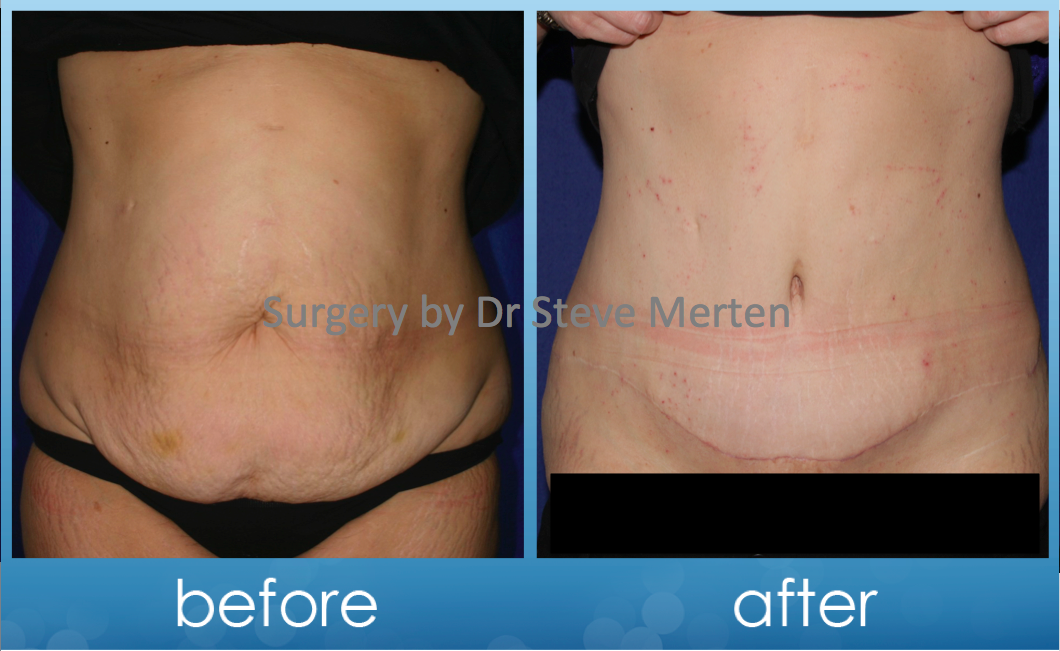
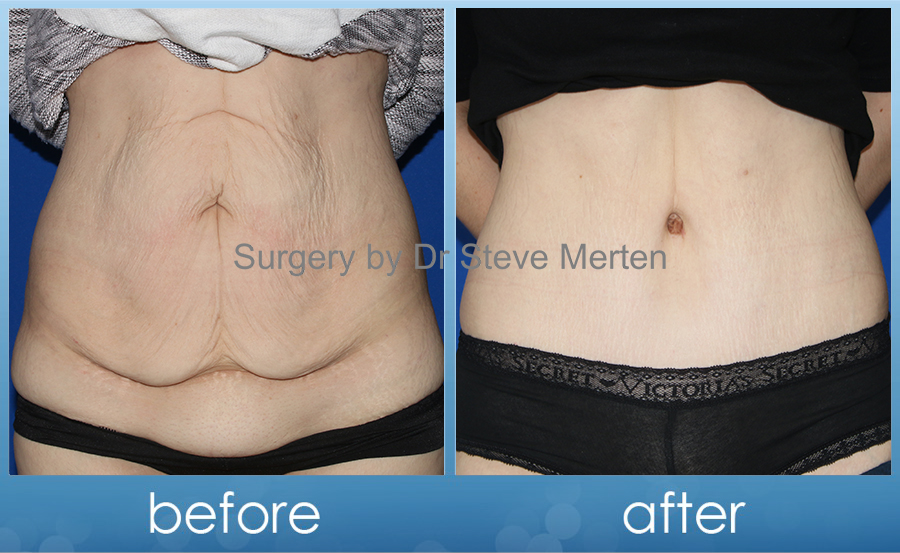
A belt lipectomy scar is circumferential and typically positioned at the level of underwear.
Scarring varies between individuals and cannot be predicted with certainty. Scar appearance depends on healing characteristics, surgical factors and post-operative care.
Scar management options may be discussed during follow-up appointments.
Medicare and Private Health Insurance in Australia
In Australia, Medicare may provide a rebate for skin reduction surgery after weight loss under specific item numbers and clinical criteria.
Eligibility may require:
- Documented significant weight loss
- Functional impairment, such as recurrent skin infections
- Appropriate referral from a general practitioner or bariatric surgeon
Not all patients qualify. Medicare eligibility is assessed individually and subject to government criteria.
Private health insurance coverage depends on policy type and level of cover. Patients are responsible for confirming benefits and potential out-of-pocket expenses directly with their insurer.
Choosing a Qualified Plastic Surgeon in Sydney
When considering a male body lift in Sydney, patients are encouraged to verify their surgeon’s:
- Registration with AHPRA
- Hospital accreditation
- FRACS (Fellow of the Royal Australasian College of Surgeons) qualification in Plastic and Reconstructive Surgery
Registration status can be confirmed through the AHPRA public register.
FAQ
Is male body lift surgery different from female body lift surgery?
The underlying surgical approach is similar. However, anatomical differences and fat distribution patterns are considered during planning.
How long will I need off work after a body lift after weight loss?
Time off work depends on occupation and recovery progress. This is discussed during consultation.
When can I resume exercise after belt lipectomy?
Light walking is generally encouraged early. Higher intensity activity is restricted for several weeks, depending on healing.
Will the scar from a male body lift be visible?
The scar is positioned at underwear level. Scar visibility varies between individuals.
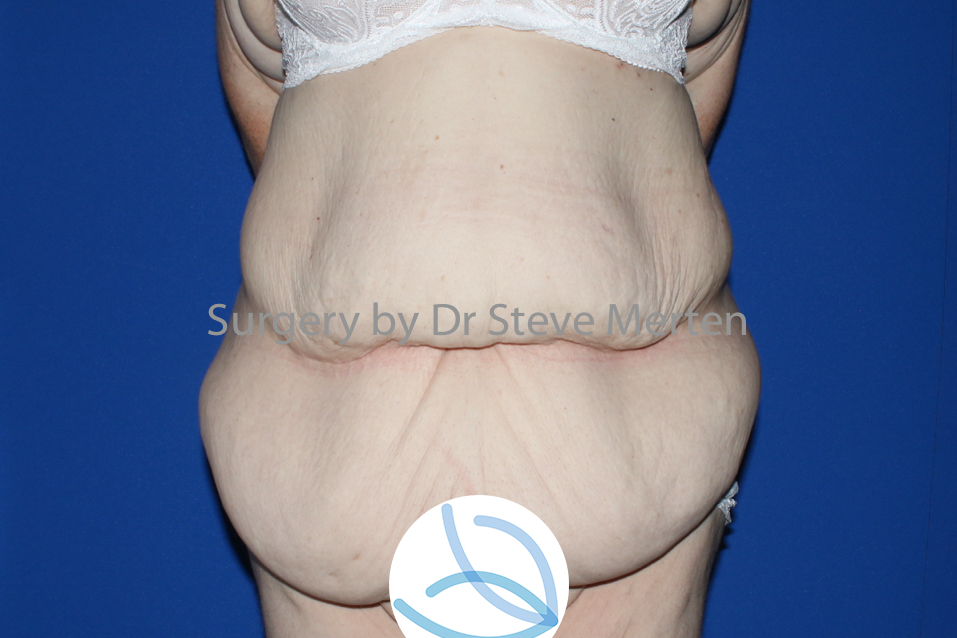
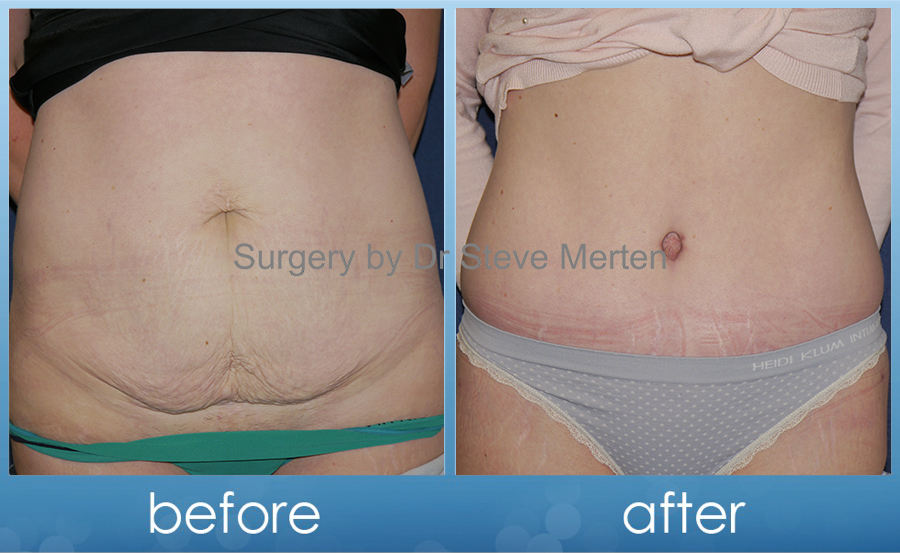
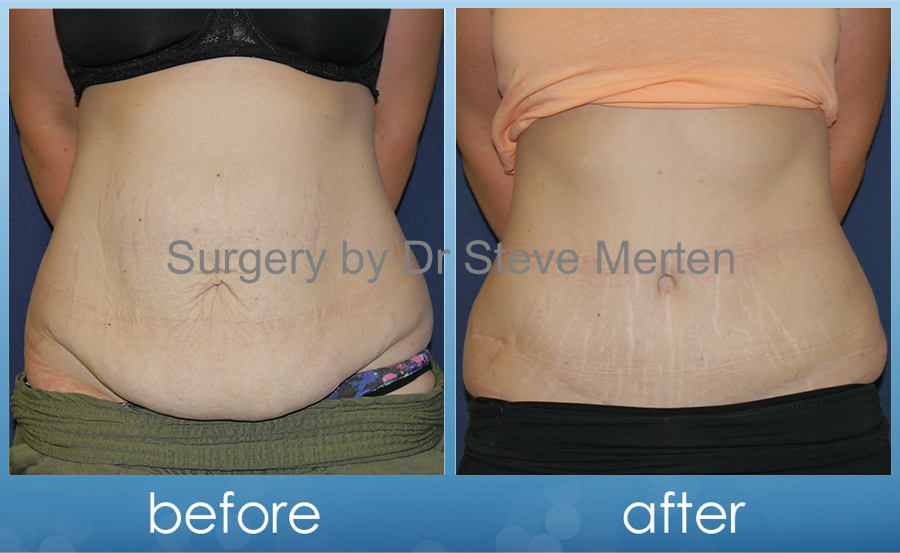
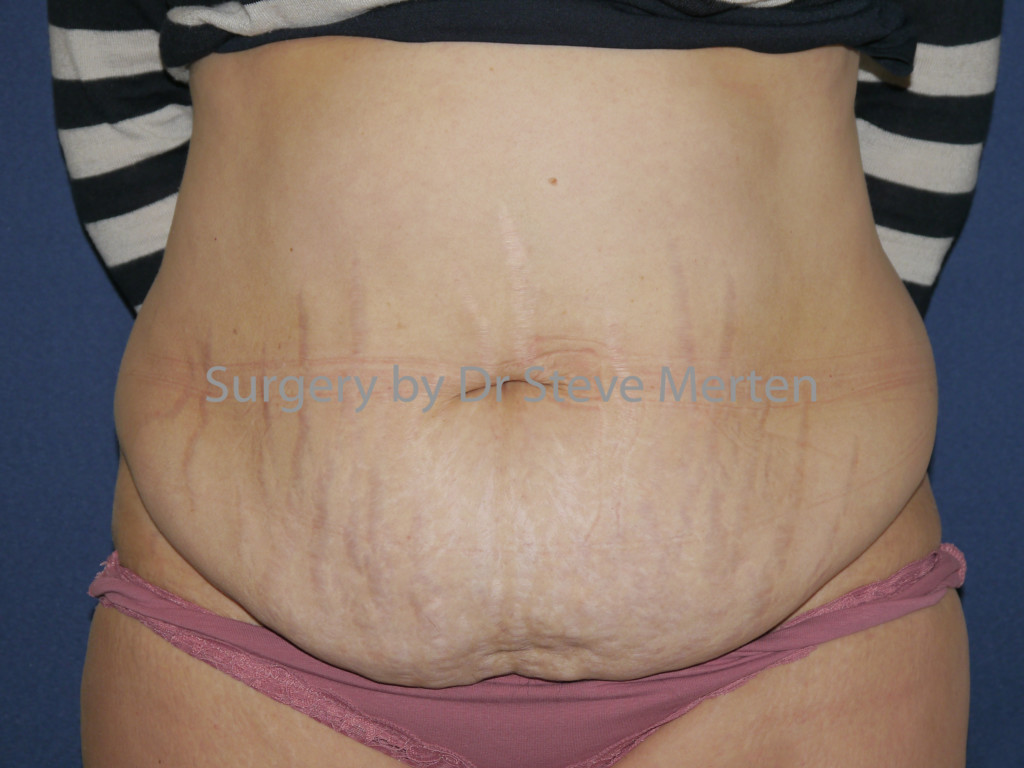
Body Lift (Belt Lipectomy) Before & After Photos




What does a body lift cost?
A full circumferential body lift, or belt lipectomy, is a major and lengthy operation, which takes between 6 and 8 hours to perform, and therefore can be a very expensive procedure. There is provision under Medicare for surgery after massive weight loss, under specific criteria, including a BMI reduction of at least 5 units, associated skin problems and other criteria. Please come with a referral from your GP or bariatric surgeon.
After your consultation with one of our plastic surgeons you will be supplied with an itemised estimate of the costs for your surgery, including the doctor’s fees, anaesthetist fees, assistant fees and estimated hospital fees.
You are responsible for checking your level of cover with your health fund, and any associated costs such as excess and co-payments.
In the event of unforeseen circumstances, it may be necessary to arrange additional medical services, resulting in further charges to you. This information will be provided to you as soon as possible after treatment occurs.


